
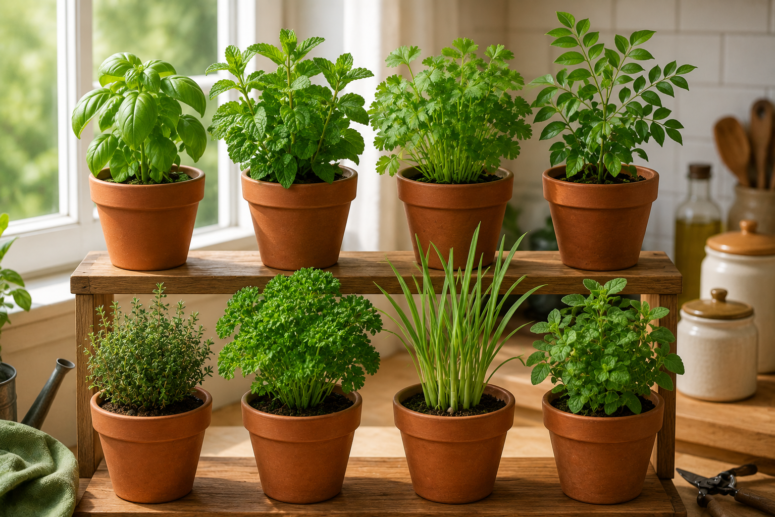
Fresh herbs can turn an ordinary meal into something special. The good news is that you do not need a big garden to grow them. A sunny windowsill, a balcony edge, or a kitchen shelf near light can be enough to keep a small herb collection thriving.
If you are new to growing, indoor herbs are one of the easiest places to start. They grow fast, smell great, and give you a regular reason to check your plants every day. For home cooks, hobby gardeners, and small-space growers, this is one of the most rewarding little projects you can try.
Why grow herbs indoors?
Indoor herbs are practical. You get fresh leaves when you need them, you waste less food, and you can grow without needing a full terrace or backyard. They also make your kitchen feel more alive.
For Biosar, this is a natural fit too. Indoor growers usually prefer small packs, simple instructions, and easy-care plants. That makes herbs a perfect beginner category for starter kits, potting mix, and small nutrient packs.
- Tulsi (Basil)
Tulsi is one of the easiest herbs to grow indoors if it gets enough light. It grows quickly, smells wonderful, and works beautifully in pasta, salads, chutneys, and sauces.
It likes warm conditions and regular pinching. The more you trim the top leaves, the bushier it becomes. Keep the soil lightly moist, but do not let the pot sit in water.
Best for : Bright windowsills and kitchen counters near light
Harvest tip : Pinch the top leaves often to encourage branching
- Pudina (Mint)
Pudina is one of the most forgiving herbs for beginners. It grows fast, spreads easily, and does well in containers. In fact, keeping pudina in a pot is usually better than planting it directly in the ground because it can spread aggressively.
It likes moderate light and consistent moisture. If the air is dry, mint may need a little extra watering. It is great for teas, chutneys, mocktails, and desserts.
Best for : Partial sun or bright indirect light
Harvest tip : Trim often so it stays lush and does not become leggy
- Dhaniya (Coriander)
Dhaniya is very popular in Indian kitchens, and it can grow indoors if it gets enough light and cool conditions. It is a little more sensitive than mint, but still worth trying.
The key is not to let it dry out completely. Sow fresh seeds, keep the soil moist, and harvest the outer leaves first. Dhaniya grows best from seed, so succession planting helps, sow a little every couple of weeks for a steady supply.
Best for : Cool, bright spots near a window
Harvest tip : Sow small batches regularly instead of all at once
- Kadi Patta (Curry Leaves)
Kadi Patta plants can be grown indoors, especially when they are young and in a container. They grow slowly at first, but they are worth the patience.
They need good light and warmth. A south-facing or very bright window is ideal. Do not overwater them, and use a well-draining mix. The leaves are useful for tempering dals, curries, and rice dishes.
Best for : Bright indoor spaces or protected balconies
Harvest tip : Pick only a few mature leaves at a time so the plant keeps growing strongly
- Ajwain ke phool (Thyme)
Ajwain ke phool is a compact herb that does well indoors because it does not need much space. It has small leaves, a lovely fragrance, and works well in soups, roasted vegetables, and marinades.
It prefers bright light and drier soil than many other herbs. Overwatering is the most common mistake. Let the top layer of soil dry before watering again.
Best for : Sunny window ledges
Harvest tip : Snip small amounts often to keep the plant compact
- Ajmod (Parsley)
Ajmod is a good indoor herb for patient beginners. It grows more slowly than basil or mint, but once established it can keep producing leaves for a long time.
It prefers consistent moisture and moderate light. It is useful in soups, salads, garnishes, and herb mixes. Flat-leaf ajmod is often easier for cooking, while curly ajmod is great for appearance.
Best for : Bright indoor corners
Harvest tip : Cut outer stems first and leave the centre to keep producing
- Nimbu Ghas (Lemongrass)
Nimbu Ghas can grow well in pots and is a good choice if you like herbal tea, soups, or Asian-style cooking. It needs plenty of light and a reasonably large container because it becomes more robust over time.
It grows best in warm conditions and with regular watering. Once it becomes established, you can trim stalks as needed for cooking.
Best for : Balconies and very bright windows
Harvest tip : Harvest older stalks and leave younger growth in the centre
- Ajwain leaves (Oregano)
Ajwain leaves are another herb that does well indoors if it gets enough light. It has a strong flavour, so even a few leaves go a long way in cooking.
It likes dryish conditions and good drainage. Too much water can make the plant weak. Ajwain leaves are useful in pasta dishes, pizza sauces, and seasoning mixes.
Best for : Sunny windows and small pots
Harvest tip : Pinch regularly to keep it full and compact
Simple setup for your indoor herb shelf
A few small pots, a well-draining potting mix, and a light source are usually enough to get started.
Here is a simple formula:
-
-
- Use pots with drainage holes
- Choose a light potting mix, not heavy garden soil
- Place herbs near the brightest window available
- Water only when the top layer of soil starts drying
- Trim often to encourage new growth
-
If your home does not get enough natural light, you can still try herbs, but choose the easiest ones first.
Common mistakes to avoid
-
-
- Overwatering is the most common. Herbs are not meant to be sitting in soggy soil.
- Low light is the next problem. Most herbs need more light than people think.
- The third mistake is harvesting too much at once. Always leave enough of the plant so it can recover.
-
Why this works well for Biosar
Indoor herb gardening fits Biosar’s audience perfectly. It is beginner-friendly, small-space friendly, and ideal for small packs, starter kits, and simple how-to content. A post like this can lead naturally to:
-
-
- Small seed packs
- Potting mix
- Micronutrient support
- Beginner care guides
- Amazon-based retail purchases
-
A kitchen herb shelf is a small project with a big payoff. It brings freshness into your cooking, helps you build confidence as a grower, and gives your home a little more life every day.
Start with just two or three herbs. Once those are growing well, add one more. That is usually enough to turn a kitchen corner into a useful little herb garden.
If you want, I can turn this into a more polished SEO blog version with a title, meta description, and call-to-action section for Biosar.