Category: Fertilizers

TEA FLUSH CALSENDAR & SIMPLE NUTRION PLAN

Best vegetables for first-time home gardeners

Starting a home garden is easiest when you choose vegetables that grow fast, stay manageable in pots, and give you a quick harvest. Indian kitchen-garden guidance and home-vegetable studies consistently highlight leafy greens, root crops, legumes and a few small fruit crops as good choices for home growing.

The Best Beginner Vegetables to start with:
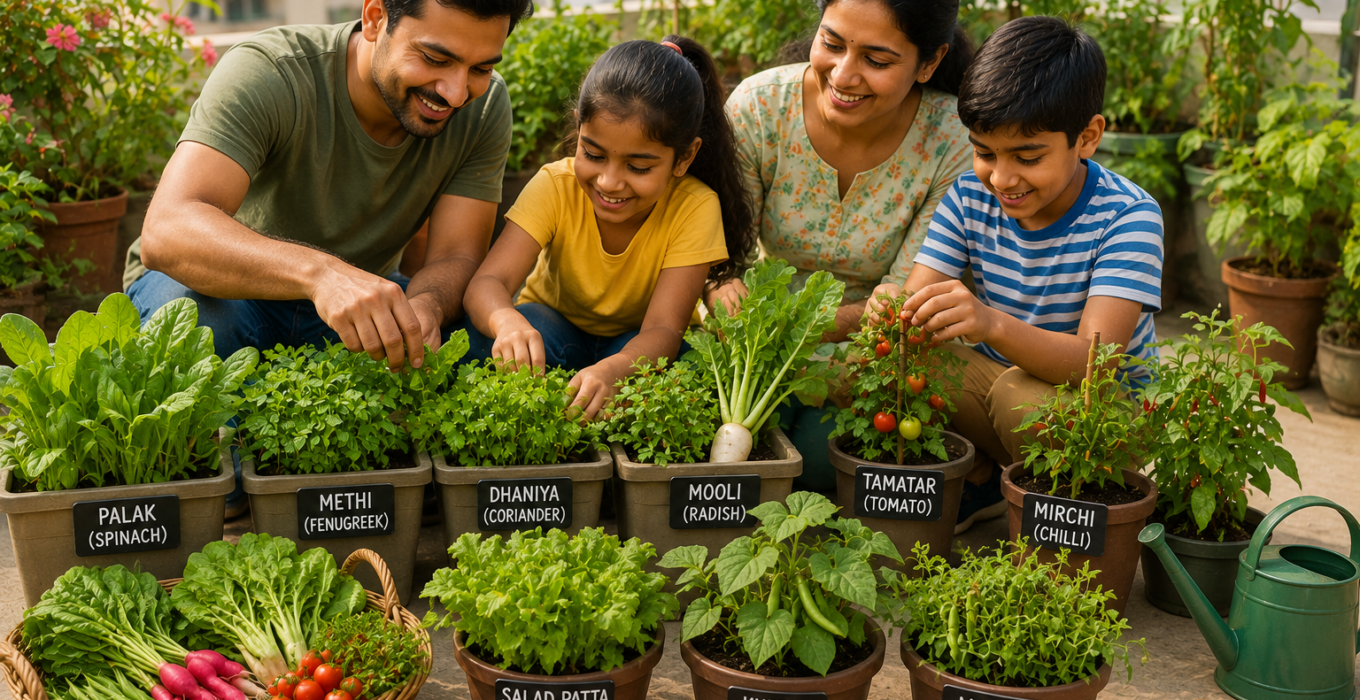
    1. Palak (Spinach)
      Palak is one of the easiest starter crops because it grows quickly and suits home gardens well, especially in cooler weather. ICAR home-garden guidance lists spinach among crops well suited for winter kitchen gardens.
    2. Methi (Fenugreek)
      Methi is another fast, beginner-friendly crop. It is commonly included in winter kitchen-garden seed kits for households and grows well in small spaces.
    3. Dhaniya (Coriander)
      Dhaniya is widely used in Indian cooking and is also a regular part of home garden seed kits for kitchen gardens.
    4. Mooli (Radish)
      Mooli is a classic beginner crop because it is short-duration and works well in kitchen gardens. ICAR sources list radish among vegetables suited to winter home production.
    5. Salad Patta (Lettuce)
      Salad Patta is a good choice for cooler conditions and is included in vegetable crop teaching material for cool-season production.
    6. French beans / Bush Beans (Farasbi)
      French Beans are a good next step once you are comfortable with leafy greens. Vegetable crop syllabi for Indian horticulture include peas and beans among cool-season crops and easy vegetable groups.
    7. Tamatar (Tomato)
      Tamatar is a favourite for home gardens and is included in Indian vegetable production teaching materials. For beginners, compact or dwarf varieties are usually easier than sprawling ones.
    8. Mirchi (Chilli)
      Mirchi is another common home-garden crop in Indian vegetable production guides, and it does well in pots if it gets enough sun.
    9. Kheera (Cucumber)
      Kheera is suitable for home gardens too, especially when grown with support or in a controlled space. Indian vegetable production material includes kheera among major warm-season vegetables.
    10. Matar (Peas)
      Matar are especially useful for cool-season home gardens and appear in ICAR home-garden and nutrition-garden references.

If you want the simplest possible starter set, begin with:

Palak, Methi, Dhaniya, and Mooli:
They are compact, commonly used in Indian kitchens, and strongly supported in kitchen-garden guidance for home production.

 What to avoid at the very beginning

Do not start with too many crops at once. Space-heavy or slow crops can wait until you are confident with watering, sunlight, and harvesting. A small, manageable mix gives you a much better first experience. This is one reason home-garden models are usually planned around a limited number of crops and beds.

 Best beginner tip

Choose vegetables that match your season and space. Cooler-weather crops like palak, methi, dhaniya, salad patta and matar fit kitchen gardens especially well, while tamatar, mirchi, kheera and French beans are good once you are ready for a bit more growth and support.

Why more Indians are growing food at home

Why more Indians are growing food at home

Home food growing is becoming more common in India for a simple reason: it solves everyday problems. It helps people stretch their budgets, get fresher produce, use small spaces well, and build a habit that feels useful instead of decorative. In cities especially, kitchen gardens, terrace beds, balcony pots and even a few herb planters have become a practical part of modern living.

 1) People eat most meals at home, so growing at home makes sense

A key reason is that Indian households already eat most of their food at home. A CEEW report notes that Indians consume about 95% of meals at home, while only about 5% are eaten outside. The same report also says nutrient-dense foods such as green leafy vegetables, pulses, roots, tubers and nuts are still under-consumed in the average diet. That makes home-growing feel practical: if food is already being prepared at home, growing even a little of it at home becomes a logical next step.

 2) Food prices keep pushing people toward small-scale self-reliance

Food inflation has also made people more aware of how much vegetables and pulses can swing in price. India’s Economic Survey for 2025 says food items make up about two-fifths of the CPI basket, and that food inflation has recently been driven mainly by a few items, especially vegetables and pulses. Even a small home garden cannot replace every grocery item, but it can reduce dependence on expensive daily herbs, greens and seasonal vegetables.

 3) Small spaces are enough now

Another big reason is that people no longer think they need a full yard to grow food. Urban farming in India is increasingly tied to rooftops, balconies, community plots and other unused urban spaces. IBEF describes this as a community-driven movement focused on self-sufficiency, with gardens and edible spaces taking root in major metro cities. In other words, people are not waiting for the perfect farm anymore; they are using the space they already have.

 4) Gardening is now part food habit and part lifestyle habit

For many households, growing food at home is also about wellness, routine and a calmer lifestyle. Recent coverage of indoor gardening in India describes houseplants as lasting lifestyle choices, not just a pandemic-era phase. Research among urban women homemakers in Lucknow also shows that sustainable kitchen gardening is being adopted in real homes, with people trying it for food access, environmental benefits and better daily living.

 5) It gives people more control over what they eat

Home-growing appeals to people who want fresher, cleaner and more predictable produce. A study on sustainable kitchen gardening in Lucknow notes that urban gardening can support food security and sustainability, while also helping households access better-quality food. That is one reason kitchen gardens, herb shelves and terrace plots feel so rewarding: people get food they can see growing, harvest themselves, and use immediately.

 6) It fits the rise of urban and community farming

Urban farming is no longer niche. The IBEF piece says India’s city farming movement is growing in metro areas such as Mumbai, Delhi, Bengaluru, Chennai and Hyderabad, with community gardens, rooftop growing and even hydroponic setups gaining visibility. That wider movement makes home food growing feel normal, modern and socially supported. When people see neighbours, relatives or social media creators growing something successfully, they are more likely to try it themselves.

 7) It starts small and feels do-able

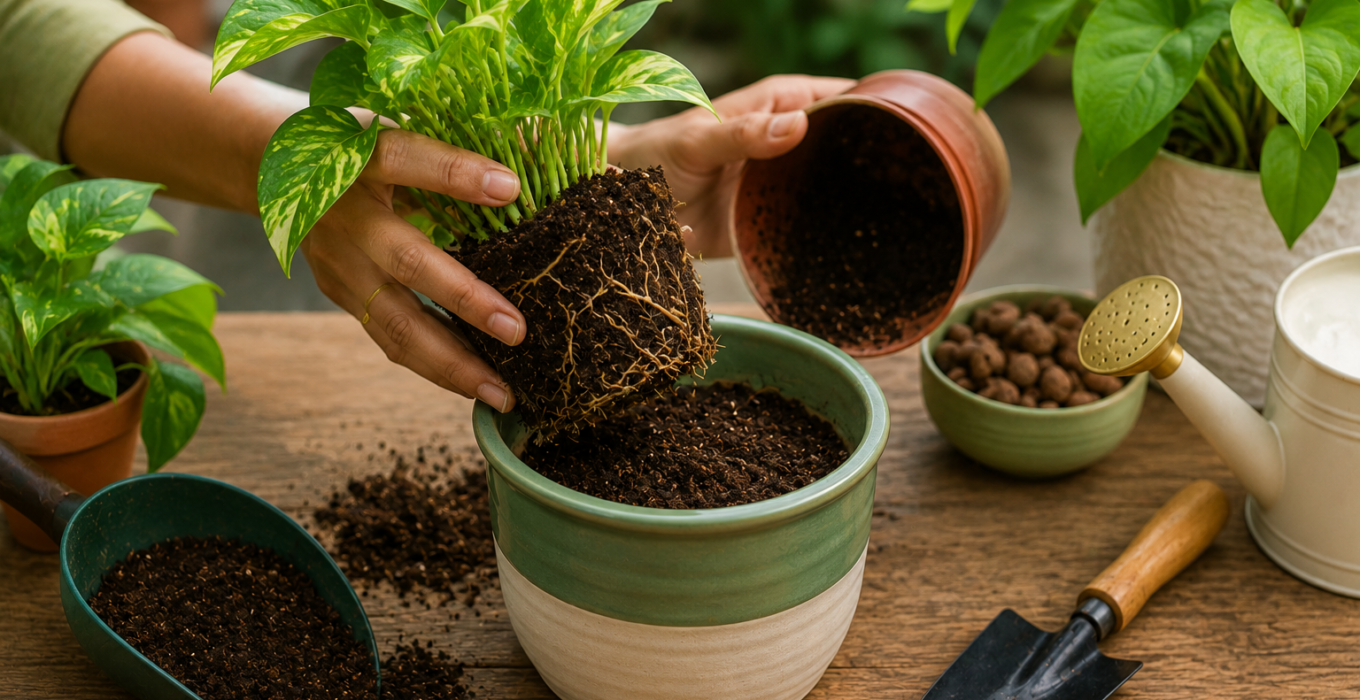
One reason home gardening has grown is that it is easy to begin. A few pots, some good potting mix, a sunny window or balcony, and one or two easy crops are enough. That low barrier matters. People do not need to become full-time growers; they just need to start with basil, mint, coriander, chillies, curry leaves, or a few leafy greens and learn as they go. The Lucknow study also shows that people need some confidence and basic growing knowledge to keep kitchen gardens going, which is why simple guidance matters so much.

 8) It is good for the mind as well as the plate

For many people, growing food is also a stress-relief activity. Indoor and balcony gardening is increasingly being linked to wellness, mindfulness and a slower daily routine in Indian lifestyle coverage. That emotional reward matters. A plant that grows well is not just useful; it also gives a small daily win.

 What people usually grow first

Most beginners start with crops that are quick, useful and forgiving. Herbs, leafy greens, chillies, coriander, mint, curry leaves and a few flowers are common first choices because they fit small spaces and give quick results. That is why starter kits, potting mixes and small nutrient packs work so well for this audience.

 Why this matters for Biosar

For Biosar, this trend is important because it brings together all the audiences you serve: farmers, tea gardens, hobby gardeners and people who just want to grow a little food at home. Home growers usually need small packs, simple instructions and beginner-friendly support. That makes this a strong topic for content, product bundles and Amazon-based retail packs.
A blog like this can naturally lead into starter kits, potting mixes, small nutrient packs, herb guides and WhatsApp help for beginners.

More Indians are growing food at home because it is practical, affordable, calming and meaningful. It helps with food prices, fits small spaces, supports healthier eating and gives people a stronger connection to what they eat. For many households, that makes home growing less of a hobby and more of a habit.

How to choose the right fertiliser for your crop stage

How to choose the right fertiliser for your crop stage

Choosing fertiliser is not just about feeding the plant. It is about feeding the plant at the right time. A crop does not need the same thing every week. A young seedling needs help building roots. A leafy plant needs stronger vegetative growth. A flowering or fruiting crop needs a different nutrient balance to support buds, flowers, pods, fruits, or grains.

That is why the best fertiliser depends on the stage of the crop.

1) Seedling stage

When a crop is just starting, the priority is strong roots and healthy early growth. At this stage, too much fertiliser can burn tender roots or push weak, leggy growth.

For seedlings, the soil or potting mix should be light, well-drained, and rich enough to support early establishment. If you use fertiliser, keep it mild and balanced. Organic compost, well-decomposed FYM, vermicompost, or a gentle starter nutrient is usually better than heavy feeding.

Best idea at this stage:
Use a light base mix and avoid overfeeding.

2) Vegetative stage

This is the stage when the plant is building size. Leaves, stems, and branches are developing fast. During this period, crops usually need more nitrogen compared to other stages because nitrogen supports green growth.

This is when a balanced fertiliser with a slightly higher nitrogen content can help. For field crops, vegetable crops, and many leafy crops, this is an important stage for timely feeding. For pots and home gardens, a mild liquid feed or compost-based nutrient can work well.

Best idea at this stage:
Choose a fertiliser that encourages healthy leaf and stem growth without making the plant soft or weak.

3) Pre-flowering stage

Before flowering begins, the plant starts changing its energy from leaf growth to reproductive growth. At this stage, you do not want to keep pushing only leaves.

A balanced fertiliser is often better here. Some crops may also benefit from nutrients like phosphorus and potassium, which help with flower development and stronger plant function. If the plant is too lush and leafy, reducing nitrogen a little can help it prepare for flowering better.

Best idea at this stage:
Move toward balanced feeding instead of strong nitrogen-heavy feeding.

4) Flowering stage

Once the crop starts flowering, the fertiliser focus changes again. The plant now needs support for flower retention, fruit setting, and overall reproductive success.

At this stage, too much nitrogen can sometimes encourage leafy growth at the expense of flowers. A more balanced fertiliser with better phosphorus and potassium support is often preferred. For many crops, micronutrients also matter here, especially if flowering is weak or uneven.

Best idea at this stage:
Use a fertiliser that supports flowers, not just leaves.

5) Fruiting or pod stage

For crops that produce fruits, pods, grains, or tubers, the next job is to help those parts develop properly. This is where potassium becomes especially important in many crops, because it supports overall plant strength, fruit quality, and filling.

At this stage, the plant should not be forced into excess leafy growth. Feeding should support the crop that is already forming. This is also a good time to watch for calcium, magnesium, and micronutrient needs if the crop shows stress.

Best idea at this stage:
Choose fertiliser that supports crop filling and quality.

6) Harvest and post-harvest stage : help recovery

After harvest, the plant or soil may need recovery support. In perennial crops like tea, fruit trees, or other long-term plants, this stage matters a lot. The goal is to rebuild the plant’s reserves and prepare it for the next cycle.

Organic matter, compost, and soil-building inputs are useful here. For annual crops, post-harvest soil care is equally important because the next crop depends on the soil left behind.

Best idea at this stage :
Feed the soil, not just the crop.

The biggest mistake beginners make

The most common mistake is using the same fertiliser all the time. A strong fertiliser is not always better. In fact, the wrong fertiliser at the wrong stage can reduce flowering, damage roots, or make the plant look green but unproductive.

Another common mistake is feeding without knowing the soil condition. A soil test, even a basic one, helps you understand what is already available and what is missing.

What works best for most people

For farmers, tea gardens, and serious growers, the best approach is simple:

      • Start with a soil test if possible
      • Match fertiliser to the crop stage
      • Use balanced feeding instead of forcing one nutrient all the time
      • Adjust based on crop type, weather, and plant response

For hobby gardeners, the same rule applies in smaller doses. Young plants need gentle care. Leafy growth needs support. Flowers and fruits need a different balance.

The right fertiliser is not the one with the biggest number on the packet. It is the one that matches the crop’s stage and the crop’s goal.

If you feed the plant according to its stage, you save money, reduce waste, and give your crop a much better chance to perform well.

Kitchen Herb Shelf : 8 Herbs That Thrive Indoors

Kitchen Herb Shelf : 8 Herbs That Thrive Indoors

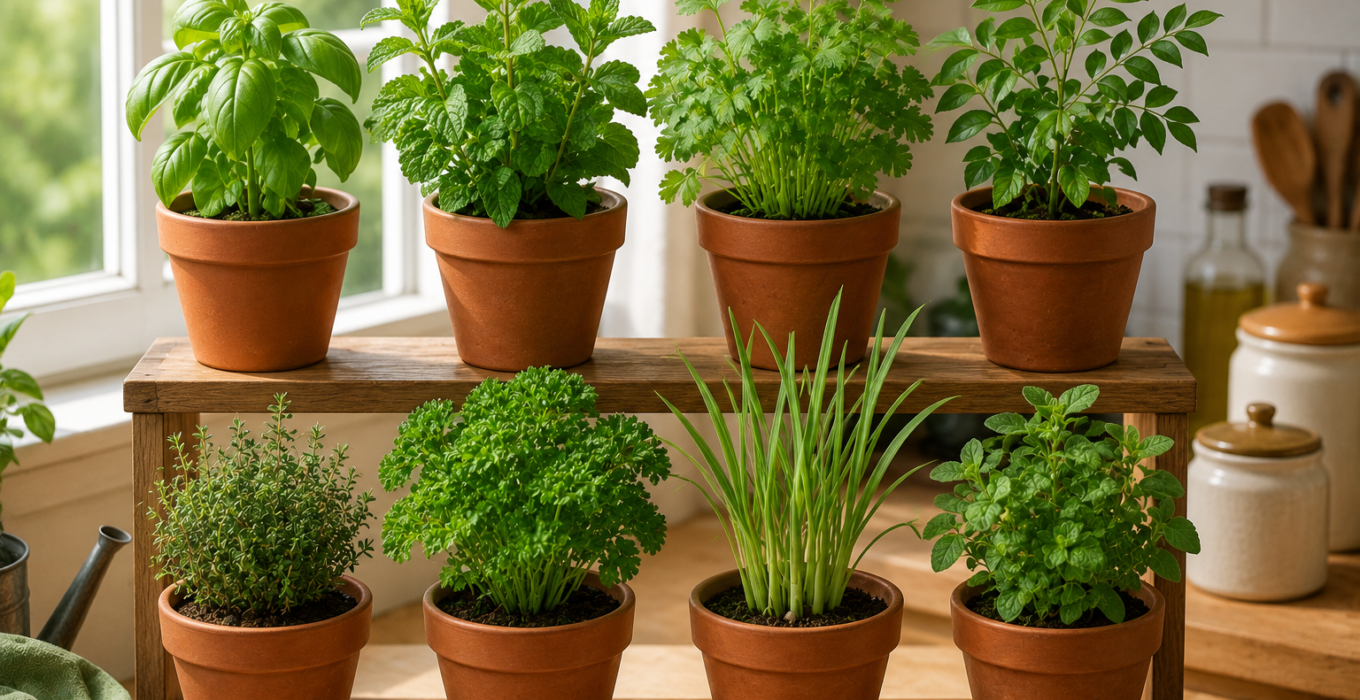
Fresh herbs can turn an ordinary meal into something special. The good news is that you do not need a big garden to grow them. A sunny windowsill, a balcony edge, or a kitchen shelf near light can be enough to keep a small herb collection thriving.

If you are new to growing, indoor herbs are one of the easiest places to start. They grow fast, smell great, and give you a regular reason to check your plants every day. For home cooks, hobby gardeners, and small-space growers, this is one of the most rewarding little projects you can try.

Why grow herbs indoors?

Indoor herbs are practical. You get fresh leaves when you need them, you waste less food, and you can grow without needing a full terrace or backyard. They also make your kitchen feel more alive.

For Biosar, this is a natural fit too. Indoor growers usually prefer small packs, simple instructions, and easy-care plants. That makes herbs a perfect beginner category for starter kits, potting mix, and small nutrient packs.

  1. Tulsi (Basil)

Tulsi is one of the easiest herbs to grow indoors if it gets enough light. It grows quickly, smells wonderful, and works beautifully in pasta, salads, chutneys, and sauces.

It likes warm conditions and regular pinching. The more you trim the top leaves, the bushier it becomes. Keep the soil lightly moist, but do not let the pot sit in water.

Best for : Bright windowsills and kitchen counters near light
Harvest tip : Pinch the top leaves often to encourage branching

  1. Pudina (Mint)

Pudina is one of the most forgiving herbs for beginners. It grows fast, spreads easily, and does well in containers. In fact, keeping pudina in a pot is usually better than planting it directly in the ground because it can spread aggressively.

It likes moderate light and consistent moisture. If the air is dry, mint may need a little extra watering. It is great for teas, chutneys, mocktails, and desserts.

Best for : Partial sun or bright indirect light
Harvest tip : Trim often so it stays lush and does not become leggy

  1. Dhaniya (Coriander)

Dhaniya is very popular in Indian kitchens, and it can grow indoors if it gets enough light and cool conditions. It is a little more sensitive than mint, but still worth trying.

The key is not to let it dry out completely. Sow fresh seeds, keep the soil moist, and harvest the outer leaves first. Dhaniya grows best from seed, so succession planting helps, sow a little every couple of weeks for a steady supply.

Best for : Cool, bright spots near a window
Harvest tip : Sow small batches regularly instead of all at once

  1. Kadi Patta (Curry Leaves)

Kadi Patta plants can be grown indoors, especially when they are young and in a container. They grow slowly at first, but they are worth the patience.

They need good light and warmth. A south-facing or very bright window is ideal. Do not overwater them, and use a well-draining mix. The leaves are useful for tempering dals, curries, and rice dishes.

Best for : Bright indoor spaces or protected balconies
Harvest tip : Pick only a few mature leaves at a time so the plant keeps growing strongly

  1. Ajwain ke phool (Thyme)

Ajwain ke phool is a compact herb that does well indoors because it does not need much space. It has small leaves, a lovely fragrance, and works well in soups, roasted vegetables, and marinades.

It prefers bright light and drier soil than many other herbs. Overwatering is the most common mistake. Let the top layer of soil dry before watering again.

Best for : Sunny window ledges
Harvest tip : Snip small amounts often to keep the plant compact

  1. Ajmod (Parsley)

Ajmod is a good indoor herb for patient beginners. It grows more slowly than basil or mint, but once established it can keep producing leaves for a long time.

It prefers consistent moisture and moderate light. It is useful in soups, salads, garnishes, and herb mixes. Flat-leaf ajmod is often easier for cooking, while curly ajmod is great for appearance.

Best for : Bright indoor corners
Harvest tip : Cut outer stems first and leave the centre to keep producing

  1. Nimbu Ghas (Lemongrass)

Nimbu Ghas can grow well in pots and is a good choice if you like herbal tea, soups, or Asian-style cooking. It needs plenty of light and a reasonably large container because it becomes more robust over time.

It grows best in warm conditions and with regular watering. Once it becomes established, you can trim stalks as needed for cooking.

Best for : Balconies and very bright windows
Harvest tip : Harvest older stalks and leave younger growth in the centre

  1. Ajwain leaves (Oregano)

Ajwain leaves are another herb that does well indoors if it gets enough light. It has a strong flavour, so even a few leaves go a long way in cooking.

It likes dryish conditions and good drainage. Too much water can make the plant weak. Ajwain leaves are useful in pasta dishes, pizza sauces, and seasoning mixes.

Best for : Sunny windows and small pots
Harvest tip : Pinch regularly to keep it full and compact

Simple setup for your indoor herb shelf

A few small pots, a well-draining potting mix, and a light source are usually enough to get started.

Here is a simple formula:

      • Use pots with drainage holes
      • Choose a light potting mix, not heavy garden soil
      • Place herbs near the brightest window available
      • Water only when the top layer of soil starts drying
      • Trim often to encourage new growth

If your home does not get enough natural light, you can still try herbs, but choose the easiest ones first.

Common mistakes to avoid

      1. Overwatering is the most common. Herbs are not meant to be sitting in soggy soil.
      2. Low light is the next problem. Most herbs need more light than people think.
      3. The third mistake is harvesting too much at once. Always leave enough of the plant so it can recover.
Why this works well for Biosar

Indoor herb gardening fits Biosar’s audience perfectly. It is beginner-friendly, small-space friendly, and ideal for small packs, starter kits, and simple how-to content. A post like this can lead naturally to:

      • Small seed packs
      • Potting mix
      • Micronutrient support
      • Beginner care guides
      • Amazon-based retail purchases

 A kitchen herb shelf is a small project with a big payoff. It brings freshness into your cooking, helps you build confidence as a grower, and gives your home a little more life every day.

Start with just two or three herbs. Once those are growing well, add one more. That is usually enough to turn a kitchen corner into a useful little herb garden.

If you want, I can turn this into a more polished SEO blog version with a title, meta description, and call-to-action section for Biosar.

WHY INDIANS ARE ABOUT TO START BALCONY GARDEN IN 2026

Why Indians are about to start balcony garden in 2026

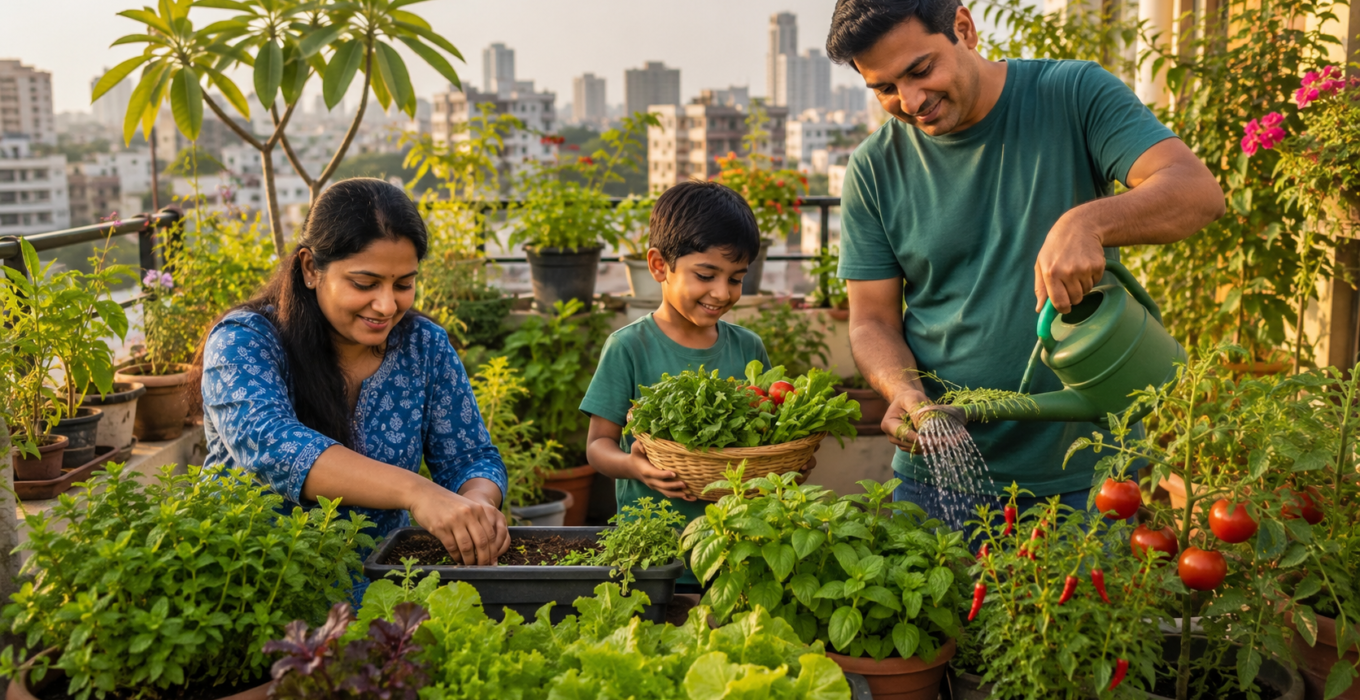
Balcony gardening isn’t a fad, it has become a mainstream habit for many Indians in 2025. From apartment terraces in Mumbai to small verandahs in smaller towns, people are turning tiny outdoor spaces into food, flower and herb gardens. If you’ve wondered why so many friends, neighbours or influencers suddenly have green balconies, this post explains the big reasons and gives a simple, realistic starter plan you can use this weekend.

What’s actually changing

People are gardening because it’s practical (fresh herbs and veggies), affordable (small-scale inputs), calming (mental health), and social (you see it on reels and WhatsApp groups). Policy nudges and local programmes are also making gardening easier in some cities. Together, those forces pushed balcony gardening from “cute hobby” to “everyday thing” in 2025.

6 reasons balcony gardening took off in India 

1) The post-pandemic habit stuck

During COVID people discovered how satisfying and practical growing even a few greens could be. Studies and reviews show home-gardening activity rose during the pandemic and many people kept gardening afterward. For many, it began as food security and became a lasting hobby.

2) Health, wellness and the calming effect of plants

Gardening reduces stress and gives a daily ‘win’, a short, proven mental-health benefit that fits busy urban lifestyle. That’s a strong pull for young professionals and families alike. Plus, people like fresh herbs for cooking.

3) Social media & short videos made it look easy and beautiful

Instagram and short-form video platforms turned tiny balcony makeovers into shareable content. Vertical gardens, smart planters and trending micro-greens are everywhere and people copy what they see. That visual momentum spreads fast.

4) Low-cost products and small packs made it doable

Small packs of seeds, potting mixes and starter kits (sold on marketplaces) mean you don’t need a big investment. Retail + e-commerce (including Amazon listings) made buying the right starter items simple and affordable. Biosar offers small trial packs on Amazon that are perfect for beginners.

5) City policy & local programs nudging green roofs and rooftops

Some city and state programmes are actively promoting rooftop and urban gardening (training, demo kits, free workshops), which helps normalise and support the hobby. These government initiatives remove friction for many newcomers.

6) Food prices, supply concerns and tiny acts of self-sufficiency

Rising food prices and interest in knowing what’s in your food make growing even a few herbs or salad greens attractive, you eat better and spend a little less on the things you use every day.

Who’s doing it and why it matters for Biosar  

• Young professionals & families : For fresh herbs, a calming hobby, and a nice balcony backdrop for photos.

• Retirees & hobbyists: More time and interest in flowers, ornamentals and seasonal veggies.

• Students / single-person households : Micro-greens and herbs for low-effort food.

• Small restaurants / cafés : Grow high-freshness herbs on-site.

For Biosar, this is a great audience: Hobby gardeners want small packs (starter kits, potting mixes, micronutrients and pest-control for potted plants). We sell starter packs on Amazon and provide WhatsApp support for first-timers.

How to start a balcony garden this weekend in 5 easy steps 

No fancy gear needed. Keep it small and test what works.

1. Pick 3 easy plants : Choice matters. Start with: basil (tulsi/Italian), coriander (cilantro), and a leafy green (spinach/saag or lettuce). These grow fast and reward you quickly.

2. Use a ready potting mix or a small potting kit : Don’t try to make perfect soil at first. Choose a light, well-draining mix (Biosar’s starter potting mix or similar). Small 1–2 kg packs are enough for a few pots.

3. Choose containers with drainage : Pots, recycled buckets, or fabric grow bags work. Drill or ensure holes so roots don’t sit in water.

4. Sow, water, and logs : Sow seeds at the recommended depth, water gently, and write down the sowing date. A notebook or a notes app is fine.

5. Watch and learn (10–14 days) : Seedlings will show if conditions suit them. Thin to 2–3 healthy seedlings per pot. If pests show up, send a photo in your gardening group or reach out to Biosar’s WhatsApp for quick tips.

Quick pro-tip : Start one pot as an experiment and one as your ‘produce’ pot. If one fails, you still have the other to learn from

Common beginner mistakes and how to avoid them 

• Overwatering : Most balcony plants die from too much water. Let the top soil dry a bit between watering.

• Wrong soil : Heavy garden soil in pots will suffocate roots. Use potting mix.

• Starting too many varieties : Limit to 2–3 at first. Learn one season at a time.

• No drainage : Always make sure pots drain.

If you’re uncertain, take a photo and send it on WhatsApp. Quick troubleshooting is usually enough.

How Biosar helps beginner balcony gardeners

• Starter kits on Amazon : Potting mix, and simple care guides: low cost, low risk. The suitable options for this would be Biosar Hira and Biosar Cams.

• WhatsApp support : Send pictures, get quick, plain-language advice (suitable pack sizes, watering tips, pest fixes, etc).

• Short how-to videos : Step-by-step potting and sowing demos you can watch on your phone.

Small trial packs : For nutrients and safe pest controls suited to potted plants. Test before committing to larger packs.

 Why this trend is good for India  

Balcony gardening taps into health, sustainability and cost-savings. It reconnects people to food and nature, creates micro-ecosystems in dense cities, and builds a community of casual growers who learn and share. For businesses like Biosar, it opens a friendly on-ramp to help people buy the right small packs, learn safe practices and grow confidence, one pot at a time.

References

• https://pmc.ncbi.nlm.nih.gov/articles/PMC9242931/
• https://www.mdpi.com/2311-7524/10/12/1373
• https://www.urbanplant.in/a/blog/post/hot-urban-gardening-trends-2025-small-spaces-kitchen-herb-gardens?
srsltid=AfmBOoqFah9j9H20q5v1m4pyPRitD_OYODR9W3OvZf6x7lfoEP-bpY6v&
• https://timesofindia.indiatimes.com/city/bhubaneswar/govt-launches-vehicle-to-promote-rooftop-gardening/
articleshow/122326057.cms

TOP 10 VIRAL PLANT HACKS

Top 10 viral plant hacks

1) Banana-peel fertilizer (bury or soak peels)

What people do : Bury banana peels in the pot / soak peels in water for a few days and use the water on plants.

Why it’s claimed to work : Banana peels contain potassium (K) and small amounts of other nutrients.

How to test : One pot gets banana-peel tea (1 peel soaked 48 hrs), another gets plain water. Compare growth for 4–6 weeks.

Verdict : Partially effective. Banana peels release K slowly and can help in very small, local doses — but decomposition is slow in pots and can attract fruit flies if left on soil surface.

Risk : Minor. Smell/flies if not buried or composted.

Biosar alternative : Use a balanced pot-safe potassium + micronutrient fertilizer (small-dose liquid or soluble NPK) for a predictable K boost. We would recommend Biosar KMB + Biosar Gromax Banana respectively and for NPK, we would recommend our very own Biosar NPK.

2) Eggshell water / crushed eggshells

What people do : Crush shells or soak them in water to make ‘calcium water’.

Why it’s claimed to work : Eggshells are mostly calcium carbonate.

How to test : Add crushed shells to one pot’s soil vs. control. Or use soaked-shell water weekly on seedlings vs. water. Observe for 6–8 weeks.

Verdict : Mostly ineffective as a quick fix. Eggshells release calcium very slowly unless finely powdered and composted; ‘shell water’ is very weak. Good in compost long-term, not a fast corrective for calcium deficiency.

Risk : Minimal, but may attract pests if fresh food residue remains.

Biosar alternative : Use a chelated calcium foliar spray or a compost + calcium source recommended by agronomy for a measurable correction. We recommend Biosar Hira Plus + Biosar Cams respectively.

3) Coffee grounds in potting mix  

What people do : Sprinkle used coffee grounds on soil or mix into potting mix.

Why it’s claimed to work : Adds organic matter and (supposedly) acidity; thought to feed plants.

How to test : Mix a thin layer (10% by volume) in one pot vs none; monitor plant vigor and drainage.

Verdict: Mixed, useful only sparingly. Coffee grounds are good compost ingredients but fresh grounds can compact, create crusts, or temporarily tie up nitrogen. Small amounts mixed into compost are fine; straight heavy use in pots can harm drainage.

Risk : Overuse → root stress; fresh grounds may be slightly phytotoxic to seedlings.

Biosar alternative : Use ready-made potting mixes like Biosar Hira and small compost-amendment packs designed for pots like Biosar Neem Plus (these keep drainage and nutrition balanced).

4) Rice water (water from rinsing/saving water after cooking rice) 

What people do : Use rice rinse/wash water to water plants.

Why it’s claimed to work : Rice water contains trace nutrients and starch.

How to test : Water one set of pots with diluted rice water (cooled) and another with plain water for a month.

Verdict : Mildly effective but inconsistent. Rice water adds a tiny amount of organic matter; risks include stickiness on leaves and attracting ants/molds if overused. Dilute well and avoid foliar contact.

Risk : Mold/fermentation if stored warm.

Biosar alternative : Small organic liquid feeds or compost tea, recommending Biosar Natura (controlled), or our mild liquid feed trial packs for pots.

5) Ice cube watering for potted plants (especially orchids/houseplants) 

What people do : Put 1–2 ice cubes on potting mix once a week.

Why it’s claimed to work : Supposed to give slow-release water and prevent overwatering.

How to test : Use ice-cube schedule on one pot, manual watering on another. Check root health and growth over a month.

Verdict : Mostly a gimmick. Ice is inconsistent, too cold for some tropical roots and not a replacement for proper watering technique. Works only for specific plants (some orchids used in certain commercial displays), but not a universal hack.

Risk : Cold shock in sensitive species; uneven moisture distribution.

Biosar alternative : Teach correct watering frequency by pot size and soil moisture or use a moistureretaining potting mix that holds water without over-saturation.

6) Cinnamon as rooting hormone / antifungal (sprinkle on cuttings)

What people do : Dip cuttings in cinnamon powder or sprinkle cinnamon at cut sites.

Why it’s claimed to work : Cinnamon has mild antifungal properties and can reduce rot; may aid rooting.

How to test : Treat half your cuttings with cinnamon and half with no treatment or commercial rooting hormone; observe rooting rate over weeks.

Verdict : Usefully effective for hobby scale. Cinnamon can help prevent fungal rot on cuttings and is a safe, cheap option. It’s not as potent as commercial rooting hormones for stimulating roots, but it’s a good, natural anti-rot step.

Risk : Low. Don’t overdo it: fine dust everywhere.

Biosar alternative : Biosar rooting hormone like our Biosar Rootset or a safe bio-root stimulant for faster, predictable rooting.

7) Aloe Vera gel on cuttings / foliar

What people do: Use fresh aloe gel on cut ends or dilute gel as a foliar spray.

Why it’s claimed to work : Aloe contains compounds believed to help root formation and has antimicrobial action.

How to test : Apply aloe gel to some cuttings and compare to untreated and commercial-hormone treated controls.

Verdict : Moderately effective for cuttings. Aloe can help as a natural antiseptic and slight rooting aid; results vary by species. Not a guaranteed substitute for commercial rooting hormones.

Risk : Low; gel spoils if stored.

Biosar alternative : Small rooting hormone sachets for reproducible nursery results.

8) Hydrogen peroxide (H₂O₂) in seed soaking / soil for aeration  

What people do : Dilute food-grade hydrogen peroxide and soak seeds or water soil to reduce fungal load and increase oxygen near roots.

Why it’s claimed to work : H₂O₂ breaks down into water + oxygen, briefly raising available oxygen and killing some pathogens.

How to test : Use a 3% H₂O₂ diluted 1:10–1:20 for a short seed soak vs plain water; observe germination. (Do NOT use undiluted!)

Verdict : Conditionally useful. A very mild H₂O₂ soak can reduce seed-borne fungi and aid germination if used cautiously. Overuse can damage delicate roots. Follow safe dilutions.

Risk : Moderate if misused. High concentrations damage tissue.

Biosar alternative : Use our seed treatment guidelines or lab-tested seed disinfectants and fungicide treatments (as per label) for important crops. One of our best-sellers for this is Biosar Tricho (Trichoderma Viride).

9) Milk spray for powdery mildew  

What people do : Spray diluted (1:9 to 1:10) milk solution on leaves to control powdery mildew.

Why it’s claimed to work : Milk proteins can have antifungal effects and a beneficial microbial effect on leaf surfaces.

How to test : Spray one infected plant with diluted milk and another with water; watch disease progress.

Verdict : Sometimes effective for light infections. Milk sprays can reduce powdery mildew in mild cases, especially with repeated treatments, but are not a cure for severe outbreaks. May smell if overused.

Risk : Minimal; possible odour/attracting insects.

Biosar alternative : Use a recommended bio-fungicide, Biosar Pseudo (Pseudomonas fluorescens) or targeted fungicide, Biosar Sul (80% WP) for reliable disease control, especially in commercial settings.

10) Beer/Snail trap for slugs & snails 

What people do : Fill a shallow container with beer and bury so its rim is level with soil: slugs/snails fall in and drown.

Why it’s claimed to work : Slugs are attracted to fermenting liquids.
How to test : Place traps near affected plants and monitor damage.

Verdict : Effective locally. Beer traps attract and eliminate some slugs but won’t remove all pests and need maintenance. Not a full pest-management plan.

Risk : Low (may attract other animals).

Biosar alternative : Use cultural controls (mulch management), physical barriers, and approved snail/slug baits or biological predators where appropriate. We suggest our Biosar Trap.

How to run a cheap home test for any of these  

   1. Pick one hack and one plant species (same age/size).
2. Use paired pots: Hack pot vs Control pot. Keep everything else identical.
3. Record the start date, take a photo, and note watering and light.
4. Observe for 3–8 weeks (seedlings shorter; mature plants longer).
5. Judge by growth, leaf colour, pests, smell, and root health.
If a hack looks promising, scale slowly.

When to use hacks vs When to use tested products  

• Hacks are cheap and fine for experiments, beginners, and low-stakes hobby gardening. They’re great for learning and sharing on social media.

• Hacks are not a substitute for reliable fertiliser, nutrient correction (from soil tests), or professional pest control when you care about predictable yields or commercial outcomes.

• If you need reproducible results (FPOs, farms, plantations) use lab-tested products, soil/leaf testing and agronomy advice (Biosar can help with packs on Amazon or bulk scheduling via WhatsApp/partnerships).

Safety & a short checklist  

• Start small and test.
• Never use concentrated household chemicals undiluted (H₂O₂, etc.).
• Don’t mix unknown tank mixes: do a jar compatibility test.
• Label any homemade sprays and don’t store them for long.
• Keep food-derived liquids (rice water, banana peels) composted or diluted to avoid pests.

Biosar Catalogue (what to buy instead of guessing)

Biosar NPK (Pot-friendly NPK) + Biosar Gromax Banana (Micronutrient liquid): Feeding.
Biosar Rootset (Rooting hormone sachets): For consistent cutting success.
Biosar Tricho / Biosar NPK (Bio-fungicide / Bio-fertiliser packs): For safe disease control and soil health.
Biosar Hira (Starter potting mix & compost): Good soil beats home hacks.
WhatsApp : Send a photo, get a short plan.

References :

1) Banana-peel fertilizer
• https://www.researchgate.net/publication/351597179_Effectiveness_of_Banana_PeelBased_Liquid_Organic_Fertilizer_Application_as_Potassium_Source_for_Eggplant_Solanum_melongena_L_
Growth_and_Yield
2) Eggshells as calcium source
• https://www.researchgate.net/publication/
363522714_Eggshell_powder_as_calcium_source_on_growth_and_yield_of_groundnut_Arachis_hypogaea_L
3) Coffee grounds in potting mix
• https://www.sciencedirect.com/science/article/abs/pii/S1618866716300103
4) Rice-water / rinse water for plants
• https://pmc.ncbi.nlm.nih.gov/articles/PMC10559983/
5) Ice-cube watering (orchids / houseplants)
• https://www.justaddiceorchids.com/orchid-care-blog/why-water-orchids-with-ice-just-add-ice-wateringmethod-explained
6) Cinnamon as antifungal / for cuttings
• https://www.researchgate.net/publication/
350994926_Effect_of_Aloe_vera_Gel_for_Inducing_Rooting_of_Stem_Cuttings_and_Air_layering_of_Plants
7) Aloe vera gel for rooting / foliar use
• Experimental papers on aloe vera gel improving rooting success in some cuttings (useful as a mild natural
aid). ResearchGate
8) Hydrogen peroxide (H₂O₂) for seed soaking / aeration
• https://pmc.ncbi.nlm.nih.gov/articles/PMC3405688/
9) Milk spray for powdery mildew
• https://www.ppjonline.org/upload/pdf/PPJ021-03-11.pdf
10) Beer traps for slugs & snails
• https://webdoc.agsci.colostate.edu/aes/AES/pubs/pdf/tb97-1.pdf